This guide is about small decor changes that make a room feel fresh, edited, and more expensive. It is written for real mornings, real rooms, real trips, and real budgets, where polish needs to work with ordinary time instead of fighting against it.
Start with lighting
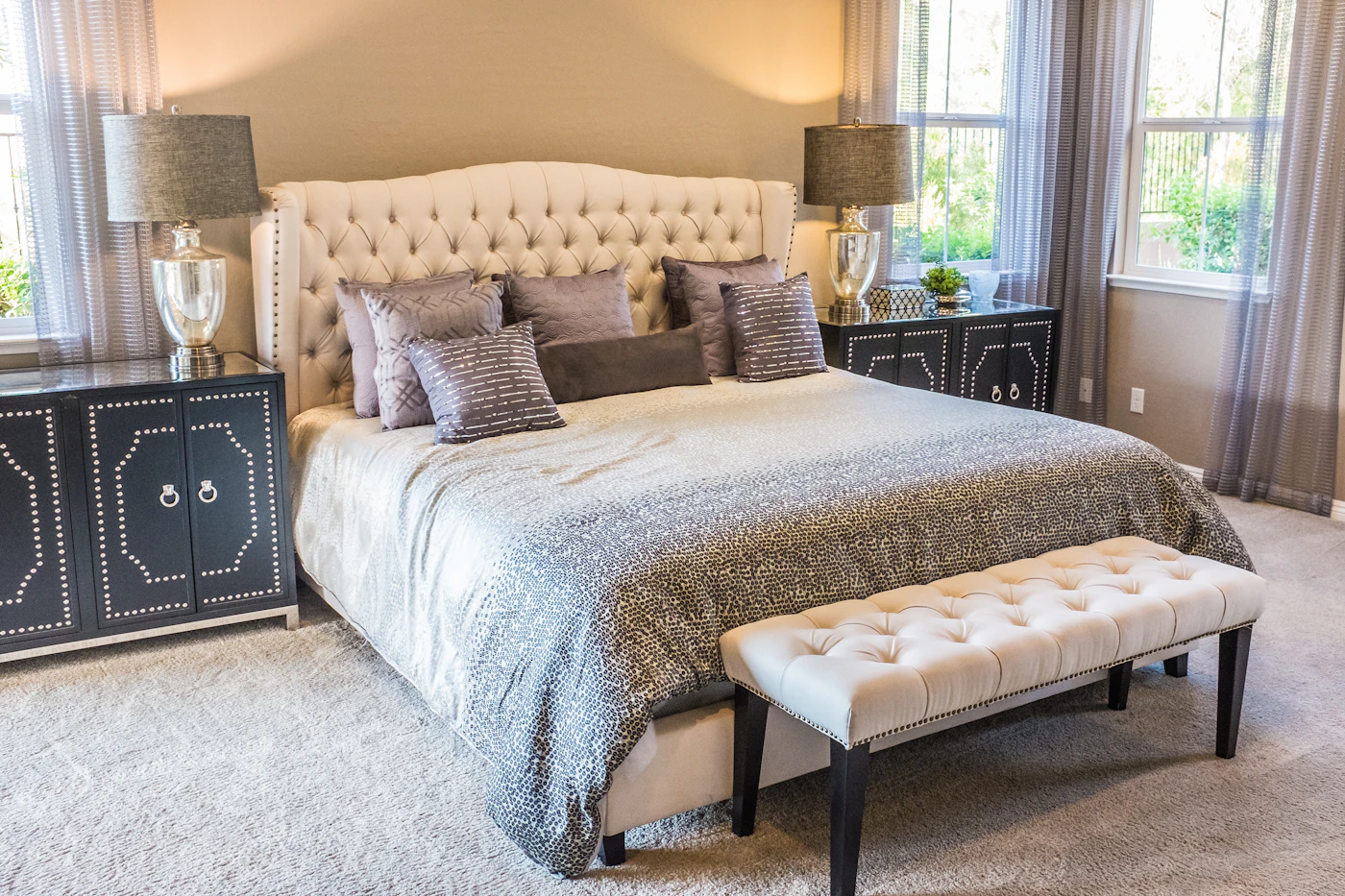
Lighting is the quickest affordable upgrade because it changes how every other object looks. A warmer bulb, small table lamp, or fabric shade can make a room feel softer immediately.
Look for light that sits below eye level. Low light creates atmosphere, especially in living rooms and bedrooms where overhead lighting can feel harsh.
Upgrade textiles first
Pillow covers, a throw, linen napkins, or a small rug can shift a room without replacing furniture. Texture is especially powerful when the color palette is simple.
Choose fabrics that feel good to touch: linen, cotton, boucle, waffle weave, or soft wool blends. A room feels richer when surfaces invite contact.
Create one styled surface
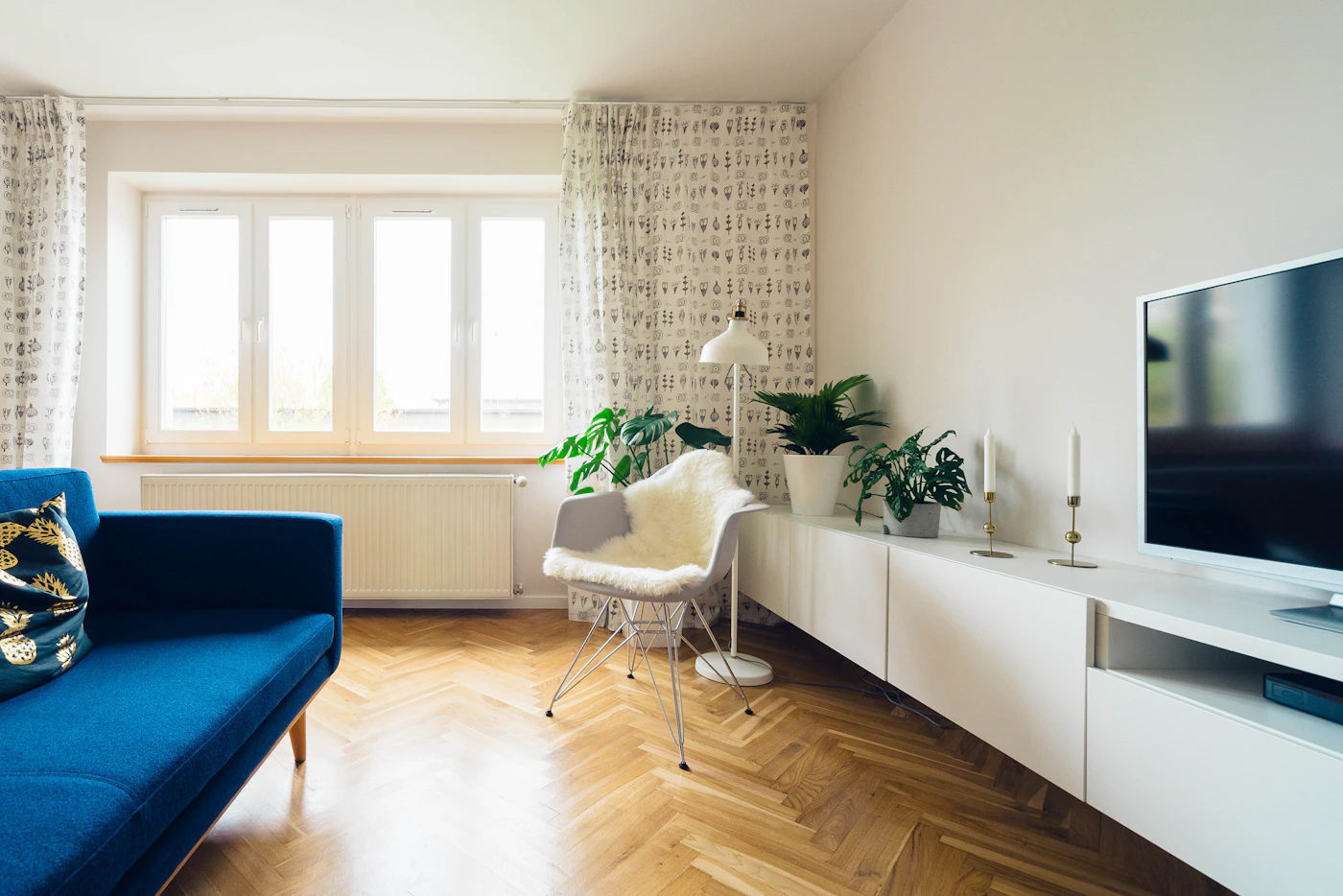
Instead of decorating every corner, choose one surface to style well. A tray, candle, book, and small vessel can make a coffee table or nightstand feel finished.
Keep the composition low enough that it does not interrupt daily use. Decor should support the room, not make it harder to live in.
Frame something personal
Affordable frames can make postcards, sketches, fabric scraps, or personal photos look intentional. The subject does not need to be expensive. The presentation matters.
A small framed piece leaning on a shelf can add personality without committing to a gallery wall.
Edit visible clutter
Sometimes the best under-$50 update is a set of matching boxes, baskets, or hooks. When daily items have a place, the whole room looks better.
Choose storage that repeats the room materials so it feels like design, not damage control.
Quick edit checklist
- Change bulbs and add one warm lamp.
- Refresh textiles before replacing furniture.
- Style one surface carefully.
- Use storage that looks intentional.
Use this as a flexible framework rather than a strict rulebook. The most stylish routines, rooms, and wardrobes are the ones that support your actual life while still leaving room for mood, taste, and small experiments.
How to make this feel personal
The most useful version of this affordable home updates guide is the one that bends toward your real life. Use the ideas as a framework, then adjust the pace, price point, colors, formulas, and timing until the advice feels natural. A polished routine should support your day instead of asking you to perform a different personality.
Start with what already works. Notice the outfits, products, rooms, or travel choices that make you feel calm and pulled together. Those details are clues. When you repeat them intentionally, your style becomes more consistent without becoming predictable.
What to try this week
Choose one small experiment rather than rebuilding everything at once. For this topic, the best first move is to change light and textiles before replacing furniture. Keep it visible, simple, and easy to repeat. If the step helps, keep it. If it creates friction, simplify it until it fits your schedule.
Take a quick note after trying it. What felt easier? What still felt unfinished? This tiny review is what turns inspiration into a useful personal system. Over time, your edits become sharper because they are based on evidence from your own life.
- Pick one detail to improve first.
- Use what you already own before buying more.
- Give the change a full week before judging it.
- Keep the version that makes your day feel lighter.
Common mistake to avoid
The mistake to watch for is buying many tiny objects with no visual connection. It is easy to confuse movement with improvement, especially when a new product, piece, or idea looks exciting. A better approach is to pause long enough to ask what problem the new choice is solving.
If you cannot name the problem, wait. Good style, beauty, home, and travel decisions usually become clearer after a little space. The pause helps you spend better, choose better, and keep your routines from becoming crowded.
A simple reset plan
Day one: observe what you already do. Day two: remove one source of clutter. Day three: prepare the easiest version of the routine or look. Day four: try it in real life. Day five: adjust one detail. Day six: repeat the improved version. Day seven: decide what is worth keeping.
This slow reset works because it respects ordinary life. You do not need a dramatic makeover to feel more stylish or more organized. You need a few clear choices that repeat well and still leave space for pleasure.
Shop related picks
Affiliate disclosure: As an Amazon Associate I earn from qualifying purchases. These links may earn a commission at no extra cost to you.
- Compare small-space home organizers on Amazon — measure shelves and counters before buying.
- Compare neutral throw pillow covers on Amazon — an easy way to refresh a room without replacing furniture.
- Compare guest room essentials on Amazon — focus on comfort, storage, and small thoughtful details.
Leave a Reply